
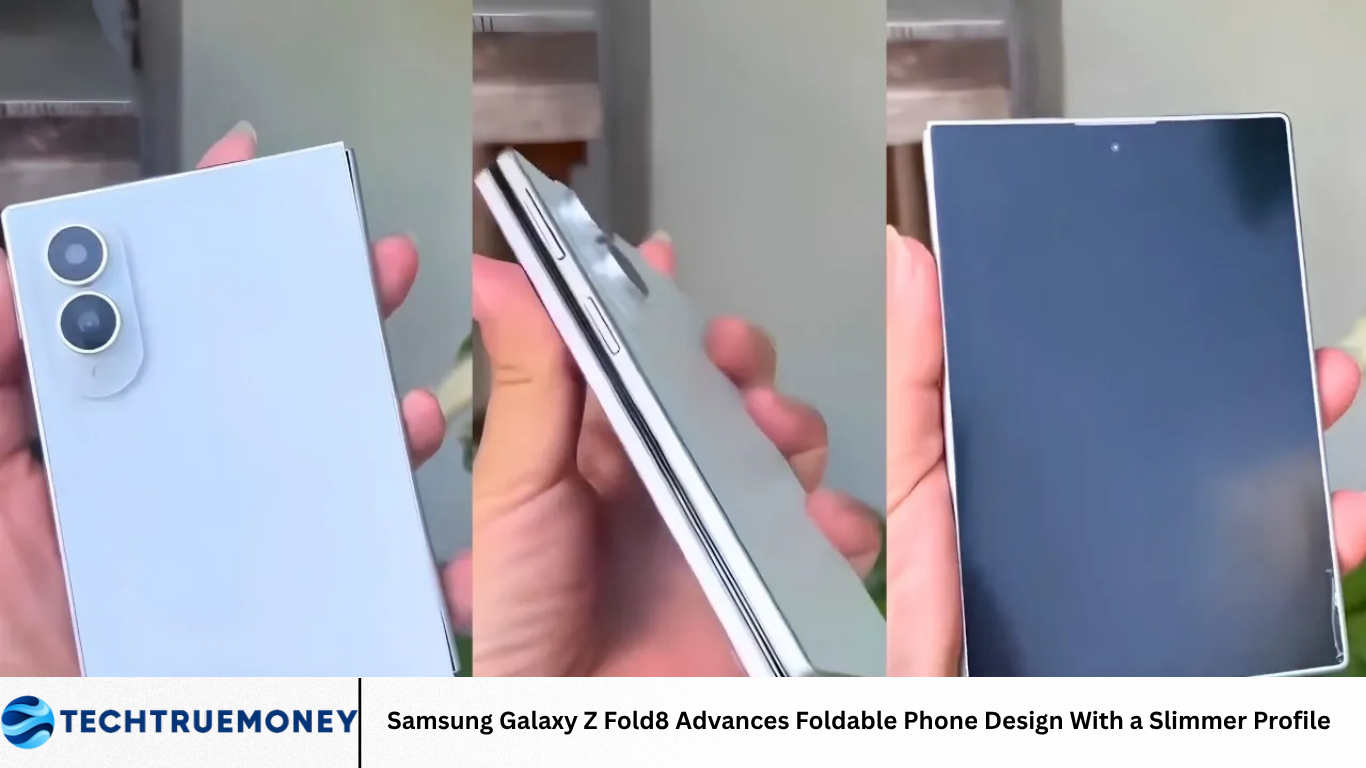
Foldable smartphones continue to develop as manufacturers look for ways to combine large displays with the convenience of traditional mobile phones. Samsung has played an important role in this market, introducing devices that open into larger screens while remaining portable enough for everyday use. With the Samsung Galaxy Z Fold8 attracting attention, slimmer designs remain an important part of the conversation about the future of foldable phones.
The appeal of a thinner foldable smartphone is easy to understand. Early foldable devices demonstrated the potential of flexible displays, but their thickness, weight, visible creases, and durability concerns sometimes made them less convenient than standard smartphones. Manufacturers are now working to make foldable phones feel more natural to carry and use.
Why Slimmer Foldable Phones Matter
Thickness has been one of the most noticeable differences between foldable smartphones and traditional devices. Because foldable phones contain a flexible display, a hinge, and multiple connected components, their designs are more complicated than those of conventional smartphones.
When a foldable phone is closed, the two halves must fit together around the folding mechanism. This can make the device thicker than a standard phone, particularly when manufacturers prioritize structural strength and space for internal components.
A slimmer design can improve the everyday experience in several ways. It may make the phone more comfortable to hold, easier to place in a pocket, and less noticeable when carried for long periods. Reducing weight alongside thickness can also make a large-screen device more manageable during extended use.
These improvements matter because foldable phones are intended to combine two different experiences. Users want a compact device when traveling or checking messages, but they also want a larger display for reading, multitasking, watching videos, and working with documents.
If manufacturers can reduce the physical size of foldable devices without sacrificing important features, the category may become more attractive to people who currently prefer traditional smartphones.
Nevertheless, slimmer construction must be carefully engineered. Reducing thickness without maintaining suitable structural strength could create new durability problems. Manufacturers need to balance portability with the protection of delicate internal components.
The Galaxy Z Fold8 and Samsung’s Foldable Strategy
Samsung has established the Galaxy Z Fold series as one of its main premium smartphone lines. The series is designed for users who want a conventional smartphone experience combined with the ability to open a larger display when needed.
The outer screen supports everyday tasks such as messaging, browsing, calls, and quick searches. When the phone opens, the inner display provides more space for applications, documents, media, and multitasking.
This approach gives foldable devices a different purpose from standard flagship smartphones. Instead of focusing only on camera improvements or processing speed, the Fold series also emphasizes the flexibility of its screen and the range of activities that can be performed on one device.
A thinner Galaxy Z Fold8 would fit into the broader effort to make foldable phones feel less bulky. However, specific dimensions, weight, hardware changes, and feature improvements should be confirmed through official product information rather than assumed from general design trends.
Samsung must also consider how its foldable phones compare with conventional flagship models. Many consumers can purchase powerful smartphones with excellent cameras and long battery life at lower prices. A foldable device needs to offer practical advantages that justify its additional complexity and cost.
For Samsung, the challenge is to make the folding design useful enough that customers view it as more than an expensive alternative to a traditional phone.
How Hinge Design Influences Thickness
The hinge is one of the most important components in a foldable smartphone. It connects the two halves of the device and allows the inner display to fold and unfold repeatedly.
Unlike a conventional smartphone, a foldable model must accommodate movement without placing excessive stress on the flexible display. The hinge also needs to help the device maintain its shape when closed and provide a stable opening experience.
A well-designed hinge can contribute to a thinner overall body. Engineers may work to reduce the space occupied by moving parts, improve the arrangement of internal components, and distribute pressure more effectively across the folding mechanism.
However, the hinge cannot be evaluated only by its size. It must also operate smoothly, resist wear, and maintain reliable performance over repeated use. Dust protection and structural stability can be important considerations as well.
The hinge and display must work together because changes in one component can affect the other. A thinner mechanism may require adjustments to the way the display bends, the way the two halves align, and the amount of space available for protective materials.
This makes foldable phone design a complex engineering task. A meaningful improvement is one that makes the phone more convenient without introducing weaknesses that become noticeable after months of everyday use.
Flexible Displays Continue to Develop
The flexible display is another major factor in the design of foldable smartphones. It must bend repeatedly while continuing to display text, images, videos, and applications clearly.
Traditional smartphone screens are designed to remain flat. Foldable displays require different materials and protective layers that can tolerate repeated movement. These requirements affect the thickness, durability, and overall feel of the device.
One challenge is the crease that can appear where the display folds. The visibility of this crease depends on factors such as lighting, viewing angle, screen construction, and the design of the hinge.
Manufacturers have continued working to improve flexible displays and reduce the visual impact of folding. However, expectations should remain realistic. A foldable screen must physically bend, and achieving a completely crease-free experience can be difficult.
Display quality also includes brightness, color accuracy, refresh rate, touch responsiveness, and outdoor visibility. A large inner screen is useful only when it performs well across the activities people use it for.
For users considering a future Galaxy Z Fold model, display improvements may be just as important as a thinner body. A device that combines a comfortable design with a clear, responsive screen would provide a stronger everyday experience.
Balancing a Slim Body With Battery Life
Battery capacity is one of the main challenges when designing thinner smartphones. Batteries occupy a significant amount of internal space, and reducing the thickness of a device can limit the room available for them.
Foldable phones face an additional challenge because they may include two displays, with the larger inner screen requiring substantial power during demanding tasks. Multitasking, gaming, video streaming, and high screen brightness can all influence battery consumption.
Manufacturers can address these challenges through more efficient processors, improved display technology, software optimization, and changes to internal component layouts. Better energy efficiency can help a phone deliver useful battery life without requiring a larger battery.
However, a thinner device does not automatically provide longer battery life. Actual performance depends on battery capacity, hardware efficiency, software behavior, network conditions, and how the phone is used.
Consumers should therefore evaluate battery performance through real-world testing rather than relying on appearance alone. A slim foldable phone that requires frequent charging may be less convenient than a slightly thicker model that lasts longer.
Samsung’s challenge is to balance portability with dependable daily performance. For many users, battery life remains one of the most important factors when choosing a premium smartphone.
Camera Quality Must Remain a Priority
Cameras are another area affected by the push toward thinner smartphone designs. Modern camera systems often require space for sensors, lenses, stabilization mechanisms, and supporting components.
A slimmer phone may place additional pressure on engineers to arrange these parts more efficiently. However, reducing the space available for camera hardware can create trade-offs involving optical performance, zoom capabilities, or low-light photography.
Foldable phones also compete with traditional flagship devices that often prioritize camera quality. Consumers paying premium prices may expect sharp images, reliable video recording, effective stabilization, and strong performance in different lighting conditions.
Software processing can improve results, but it cannot eliminate every physical limitation of camera hardware. Sensor size, lens design, stabilization, and available light continue to influence image quality.
Samsung must therefore decide how to balance camera performance with the physical design of its foldable devices. A thinner profile may attract attention, but it is unlikely to satisfy users if it comes at the expense of everyday photography.
The strongest design approach would improve portability while maintaining the camera features that users expect from a premium smartphone.
Durability Remains Essential for Foldable Phones
Durability has been an important consideration throughout the development of foldable smartphones. Their moving hinges and flexible displays introduce additional engineering challenges that do not exist in the same way on conventional devices.
Users expect their phones to withstand daily handling, accidental bumps, repeated opening and closing, and exposure to ordinary environmental conditions. A foldable device must manage these demands while protecting components that move and bend.
A thinner body can make a phone easier to carry, but consumers also need confidence that it can survive regular use. Structural materials, hinge construction, display protection, and resistance to dust and moisture all influence the overall experience.
No smartphone is completely immune to damage. Drops, pressure, liquid exposure, and improper handling can affect both foldable and conventional devices. However, repairs for foldable displays and hinge mechanisms may be more complicated or expensive.
Before choosing a foldable phone, buyers should review its official durability ratings, warranty terms, repair options, and recommended handling practices. They should also consider the cost of protecting the device with a suitable case.
For Samsung, improving durability alongside thickness reductions is essential to making foldable phones more practical for a wider audience.
Software Makes the Larger Display More Useful
Hardware design is only part of the foldable phone experience. Software determines how effectively the larger screen supports everyday tasks.
A foldable phone can display more information than a conventional smartphone, but that extra space provides limited value if applications do not use it well. Software needs to adjust layouts, handle screen transitions, and allow users to move between the outer and inner displays without unnecessary interruptions.
Multitasking is one of the main advantages of the Galaxy Z Fold design. Users may be able to keep multiple applications visible, compare documents, respond to messages while viewing other content, or work with files on a larger screen.
These capabilities can be useful for professionals, students, and people who regularly manage several tasks on their phones. A larger display may also improve the experience of reading long articles, editing documents, or viewing spreadsheets.
However, not every application is optimized for a foldable screen. Some may display stretched layouts or provide limited benefits from the additional space. The overall experience depends on software compatibility and how well applications adapt to different screen sizes.
Samsung’s long-term success in the foldable market will depend partly on its ability to encourage useful software experiences rather than relying exclusively on hardware changes.
Foldable Phones Are Competing With Traditional Flagships
Foldable smartphones occupy a distinctive position in the premium mobile market. They offer a larger screen in a device that can close, but they also tend to involve more complicated hardware and higher production costs.
Traditional flagship smartphones remain attractive because they can offer powerful processors, advanced cameras, bright displays, and strong battery performance in a familiar design. They may also be lighter, thinner, or more affordable than foldable alternatives.
For many consumers, the decision depends on how often they would use the larger inner screen. Someone who regularly reads documents, multitasks, or watches content may appreciate a foldable device more than someone who mainly uses a phone for calls, messages, and social media.
A slimmer Fold8 design could reduce one of the practical disadvantages of foldable phones. If it feels more comfortable in a pocket and during everyday handling, it may become easier for users to accept the folding format.
Even so, price remains an important factor. Consumers will compare the benefits of a foldable phone with those of traditional devices and consider whether the additional screen space justifies the cost.
Wider adoption is likely to depend on improvements across several areas rather than thickness alone.
What a Thinner Foldable Phone Means for Everyday Users
A slimmer foldable phone could make daily activities more convenient by reducing the bulk associated with carrying a device that opens into a larger screen.
For commuters, a more compact design may be easier to carry in a pocket or small bag. For professionals, a large inner display can provide additional room for reading documents, checking schedules, or managing communications. Students may find the larger screen useful for reviewing study materials and taking notes.
People who frequently travel may also appreciate having a single device that combines a compact outer screen with a larger display for entertainment or productivity.
However, these advantages depend on the actual design and performance of the device. Weight, hinge feel, battery life, screen durability, and software quality can all affect whether a foldable phone feels practical.
Consumers should consider their own habits rather than assuming that the newest design will automatically be the best choice. A traditional smartphone may remain more suitable for someone who prioritizes camera performance, low weight, or affordability.
A foldable phone is most valuable when its unique design supports activities that matter to the person using it.
The Future of Foldable Smartphone Design
The foldable smartphone market is likely to continue developing as manufacturers explore better hinges, flexible displays, more efficient components, and improved software experiences.
Reducing thickness is one part of this progress, but future designs will also need to address weight, battery efficiency, repairability, durability, and affordability. Improvements in manufacturing could eventually help companies reduce some of the costs associated with complex folding mechanisms.
Competition may also encourage manufacturers to offer more varied foldable designs. Some devices emphasize a book-like opening format, while others use a clamshell design that folds into a smaller square shape. Each approach serves different preferences.
As the technology develops, consumers may become less concerned with the novelty of folding screens and more focused on practical advantages. They will want devices that work reliably, fit comfortably into daily routines, and provide meaningful improvements over traditional phones.
For Samsung, the Galaxy Z Fold series remains an opportunity to refine the relationship between screen size and portability. Continued progress will require a careful balance between slim construction and the features that make a premium smartphone dependable.
Frequently Asked Questions
What is the Samsung Galaxy Z Fold8?
The Samsung Galaxy Z Fold8 is the next-generation model associated with Samsung’s book-style foldable smartphone series. Its design is part of the broader development of foldable phones that combine an outer display with a larger folding inner screen. Specific features should be confirmed through official product information.
Why are thinner foldable phones important?
Thinner foldable phones can be easier to carry, more comfortable to hold, and less bulky in pockets. They may make the folding format more practical for people who want a large display without carrying a noticeably thick device.
Will a thinner foldable phone have better battery life?
Not necessarily. A thinner design can reduce the space available for a battery. Battery life depends on capacity, processor efficiency, display power consumption, software optimization, and individual usage habits.
Are foldable phones durable enough for everyday use?
Modern foldable phones are designed for regular use, but their flexible displays and hinges require careful engineering. Buyers should review official durability information, warranty coverage, and repair options before purchasing one.
Is a foldable phone better than a traditional smartphone?
It depends on personal needs. Foldable phones provide a larger screen for multitasking and media, while traditional smartphones may offer better value, simpler construction, or advantages in weight and camera hardware.
What makes the Galaxy Z Fold series different from regular smartphones?
The Galaxy Z Fold series combines an outer display for everyday tasks with a larger inner screen that opens when needed. This allows users to move between a conventional phone experience and a more spacious display for supported applications.
What should buyers consider before purchasing a foldable phone?
Buyers should compare price, thickness, weight, battery life, camera quality, durability, software support, warranty coverage, and repair costs. They should also consider whether they will regularly use the larger inner display.
Conclusion
Samsung’s Galaxy Z Fold8 reflects the wider push toward slimmer and more practical foldable smartphones. Reducing thickness can make these devices easier to carry and use, helping address one of the main differences between foldable phones and conventional flagship models.
However, a successful foldable phone needs more than a slim profile. Battery life, camera performance, hinge reliability, display quality, software compatibility, and durability remain essential to the overall experience.