
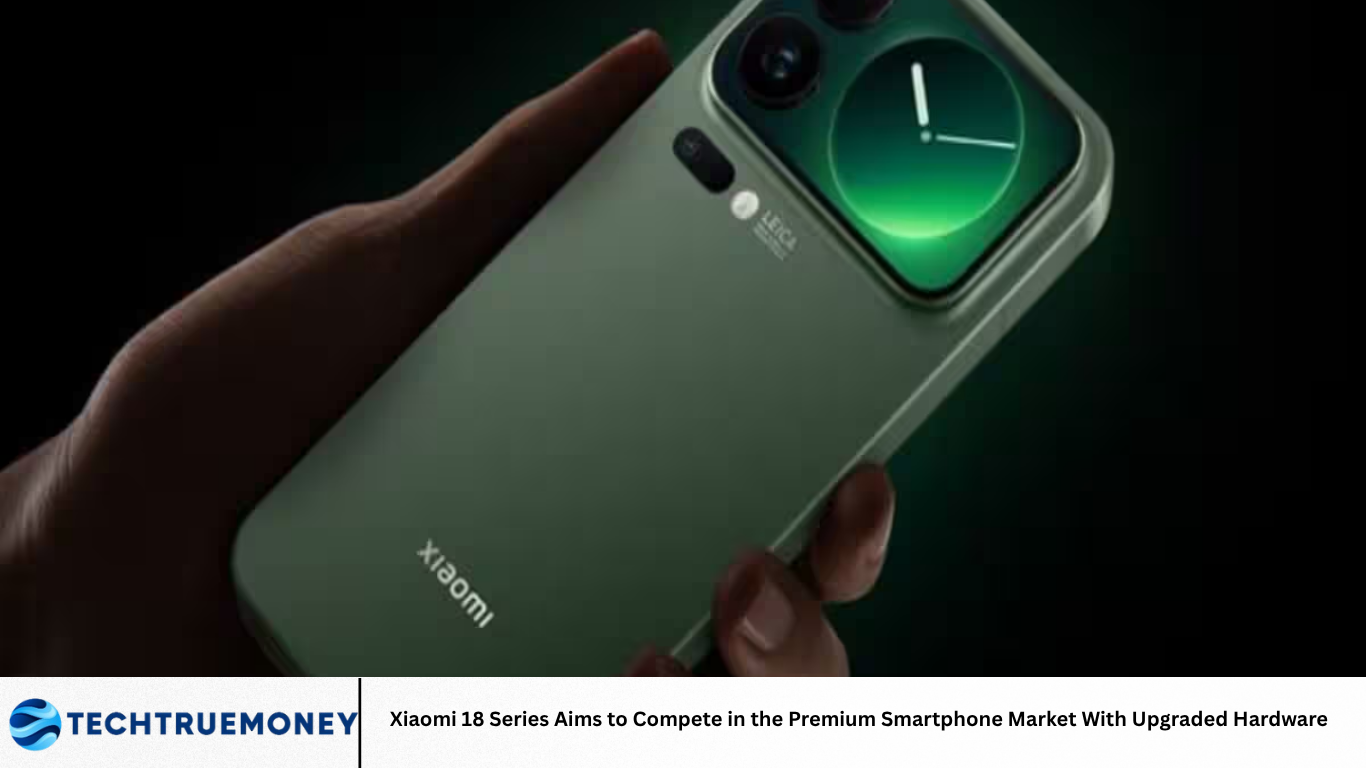
The premium smartphone market continues to attract strong competition as manufacturers introduce more powerful processors, improved cameras, brighter displays, and advanced software features. Consumers now expect flagship phones to deliver more than basic performance. They want reliable battery life, high-quality photography, smooth gaming, attractive designs, and software that remains useful for years. Xiaomi has become an important competitor in this market, and the Xiaomi 18 series is drawing attention as part of the company’s broader flagship strategy.
Xiaomi has built its smartphone business around offering powerful hardware, competitive specifications, and a range of devices for different budgets. Its premium phones compete with products from Samsung, Apple, Google, and other established manufacturers. With each new flagship generation, the company faces pressure to improve the user experience while maintaining a balance between price, performance, and innovation.
Xiaomi’s Strategy in the Premium Smartphone Market
Xiaomi has expanded beyond its early reputation for offering affordable smartphones. The company now competes across several price categories, including premium and ultra-premium devices. Its flagship phones are designed to appeal to consumers who want advanced technology and a more sophisticated user experience.
This strategy places Xiaomi in direct competition with brands that have established strong reputations in the high-end market. Apple benefits from its connected ecosystem of devices and services, while Samsung offers a broad flagship range with advanced displays and camera systems. Google emphasizes computational photography and AI-powered software features.
Xiaomi needs to offer convincing reasons for customers to choose its products instead. High-performance hardware can help attract attention, but buyers also consider software quality, reliability, brand reputation, after-sales support, and the overall cost of ownership.
The Xiaomi 18 series could play a role in strengthening the company’s premium identity if it delivers meaningful improvements over earlier models. However, specifications alone will not determine its success. Customers need to experience practical benefits in everyday use.
For example, a faster processor matters most when it improves demanding applications, gaming, multitasking, or image processing. A more advanced camera system becomes valuable when it captures clearer photographs in different lighting conditions. Better battery efficiency can make a difference every day, even when other improvements are less noticeable.
The challenge for Xiaomi is to turn technical progress into benefits that customers can easily understand.
Hardware Performance Remains a Major Priority
Processing power is one of the most important elements of a premium smartphone. Modern devices handle demanding games, high-resolution video, advanced photography, navigation, productivity applications, and AI-powered tasks.
A flagship phone generally needs a capable processor, sufficient memory, and fast storage to deliver a responsive experience. These components influence how quickly applications open, how smoothly multiple tasks run, and how well a device manages demanding workloads.
For the Xiaomi 18 series, processor performance will be an important area for buyers to examine once official specifications are available. New flagship chips often focus not only on higher processing speeds but also on improved energy efficiency, graphics performance, image processing, and AI capabilities.
Efficiency is particularly important because raw speed does not always translate into a better smartphone. A processor that delivers strong performance while consuming less power can help extend battery life and reduce heat during everyday use.
Thermal management also matters. When a phone becomes too hot during extended gaming or video recording, it may reduce performance to control temperature. An effective cooling system can help maintain consistent performance during demanding tasks.
Consumers should therefore look beyond processor names and benchmark scores. Real-world performance, sustained speed, software optimization, and power consumption provide a more complete picture of a phone’s capabilities.
Camera Technology Could Be a Key Selling Point
Camera quality remains one of the strongest reasons people upgrade their smartphones. Premium buyers often expect flagship devices to capture detailed photographs, produce natural colors, record stable video, and perform well in challenging lighting conditions.
Xiaomi has invested in camera hardware and image processing across its premium smartphone range. Its flagship strategy has included high-resolution sensors, advanced photography modes, and collaborations intended to improve the imaging experience on selected devices.
The Xiaomi 18 series will attract attention from photography enthusiasts who want to know whether the new generation delivers meaningful improvements. However, the actual camera specifications and capabilities should be judged using confirmed product information and independent testing.
A high megapixel count does not automatically produce better photographs. Sensor size, lens quality, stabilization, image processing, autofocus, and software tuning all influence the final result.
Low-light photography is another important area. Many users take pictures indoors, at restaurants, during evening events, or in poorly lit environments. A camera system that preserves detail while controlling noise can make a noticeable difference.
Zoom capabilities may also matter to people who photograph distant subjects, buildings, wildlife, or sporting events. Different telephoto designs offer different advantages, and their performance depends on both hardware and software.
Video recording deserves similar attention. Buyers should examine stabilization, microphone quality, exposure control, recording options, and how consistently the phone performs during longer sessions.
For everyday users, the best camera is not necessarily the one with the most impressive specifications. It is the one that reliably captures the photographs and videos they want.
Display Quality Is Important for Everyday Use
The display is one of the most frequently used parts of a smartphone. People rely on it for messaging, reading, watching videos, gaming, browsing the internet, and managing work.
Premium smartphones commonly offer high-resolution displays, smooth refresh rates, and technologies designed to improve brightness and contrast. These features can make scrolling feel more responsive and help content look clearer.
The Xiaomi 18 series will likely face comparisons with other flagship devices in display quality, but buyers should wait for confirmed specifications before drawing conclusions about its exact screen technology or performance.
Brightness is particularly important for people who use their phones outdoors. A display that remains readable in strong sunlight can make navigation, photography, and messaging more convenient.
Color accuracy and contrast also influence the viewing experience. People who watch films, edit photographs, or view detailed content may appreciate a display that reproduces colors consistently.
Refresh rate is another consideration. Higher refresh rates can make supported animations and scrolling appear smoother, although the actual benefit depends on the content and how the device manages power consumption.
Display efficiency matters because the screen can consume a significant amount of battery power. Adaptive refresh rates and intelligent brightness controls may help balance smoothness with energy savings.
A good display should combine visual quality, comfortable viewing, responsive controls, and reasonable power consumption.
Battery Life and Charging Will Influence Buying Decisions
Battery performance is an essential part of the premium smartphone experience. Even a powerful device can become frustrating if it needs frequent charging during normal daily use.
Consumers increasingly expect flagship phones to manage a full day of varied activity, although actual battery life depends on screen brightness, network conditions, gaming, photography, background applications, and individual usage habits.
The Xiaomi 18 series will be evaluated on its ability to balance performance with energy efficiency. A newer processor may help reduce power consumption, but battery capacity and software optimization will also influence results.
Charging speed is another factor that can distinguish smartphone brands. Faster charging can reduce the time a phone spends connected to a charger, especially for users who frequently travel or have demanding schedules.
However, charging performance should not be considered in isolation. Heat management, charger compatibility, battery health, and the availability of appropriate accessories all matter.
Wireless charging may also influence purchasing decisions for consumers who prefer convenient charging setups. Its availability and specifications should be checked for each model rather than assumed across an entire series.
Battery testing should ideally reflect realistic usage. Comparing screen-on time, video playback, gaming, standby performance, and charging duration can provide a more useful picture than relying only on battery capacity.
For many buyers, dependable battery life will be more valuable than a small improvement in processor speed that is difficult to notice during ordinary use.
Artificial Intelligence Could Shape the Smartphone Experience
Artificial intelligence has become a major focus of smartphone development. Manufacturers are incorporating AI-powered tools into photography, writing assistance, voice interactions, translation, search, and productivity features.
Xiaomi has been expanding its software capabilities, making AI an important area to watch as the company develops future flagship devices. The exact features available on the Xiaomi 18 series will depend on official product announcements, supported software, and regional availability.
AI can improve photography by helping process images, recognize scenes, reduce noise, and manage difficult lighting. Other features may assist with summarizing text, organizing information, or performing certain tasks through natural-language instructions.
Some AI functions run directly on the device, while others rely on cloud services. On-device processing can offer benefits for responsiveness and privacy, although it depends on the phone’s hardware capabilities. Cloud-based features may support more demanding tasks but require suitable connectivity and may involve additional data considerations.
Consumers should also distinguish between useful features and marketing claims. An AI function is valuable when it solves a real problem, saves time, or makes an existing task easier.
Privacy is another important consideration. Users should understand what information an AI feature processes, whether data is sent to external servers, and what controls are available.
For Xiaomi, successful AI integration will depend on making features easy to use, reliable, and relevant to everyday needs rather than simply adding more tools to a specifications list.
Design and Build Quality Matter at Premium Prices
When customers spend more on a smartphone, they often expect materials, construction, and usability to reflect the price. A premium device should feel comfortable in the hand, remain practical during daily use, and withstand normal wear.
Design decisions involve several trade-offs. Larger screens can improve viewing and gaming, but they may make a device harder to operate with one hand. Larger camera systems may improve photography, but they can also increase the size or weight of the phone.
The Xiaomi 18 series will be judged on its design once the final models are officially presented. Important details include dimensions, weight, frame materials, back-panel construction, button placement, and protection against dust and water.
Durability ratings should be checked carefully because resistance to water and dust does not mean a phone is completely waterproof or immune to damage. The terms and conditions of any warranty should also be reviewed.
Ergonomics are equally important. A phone with impressive specifications may still be uncomfortable if it is too heavy or difficult to hold during long periods of use.
Color choices and finish options can influence purchasing decisions, but practical details should receive equal attention. Fingerprint resistance, grip, repairability, and the cost of replacing damaged components can affect long-term satisfaction.
A successful premium design combines appearance with comfort, reliability, and everyday usability.
Software Experience and Long-Term Support
Hardware attracts attention when a new smartphone launches, but software often determines how satisfying the device remains over time. A well-designed operating system should feel responsive, provide useful customization options, and receive security updates consistently.
Xiaomi’s Android-based software experience includes its own interface, system applications, and features. Buyers should consider how these elements fit their preferences and whether the company provides a clear update policy for the specific model they intend to purchase.
Software support is especially important for people who keep their phones for several years. Security updates help address vulnerabilities, while major system updates can introduce new features and improve compatibility with applications.
The update period can vary by model and market, so customers should confirm the official policy instead of assuming every Xiaomi phone receives identical support.
Other factors include preinstalled applications, notification management, privacy settings, customization, and integration with other devices. Users who already own Xiaomi tablets, wearables, or smart-home products may also value compatibility within the company’s wider ecosystem.
Software quality cannot be measured only by the number of available features. Stability, ease of use, timely updates, and dependable performance are equally important.
For the Xiaomi 18 series to compete effectively, its software experience will need to complement its hardware and provide a consistent experience after the initial excitement of launch has passed.
Xiaomi Faces Strong Competition From Other Flagship Brands
The premium smartphone market is highly competitive. Apple, Samsung, Google, and other manufacturers have established customers who may be reluctant to switch brands.
Apple attracts users through its connected ecosystem, familiar software, and integration between devices. Samsung offers a wide range of flagship phones, advanced display technology, and multiple form factors. Google emphasizes Android software integration, computational photography, and AI-powered features.
Xiaomi must compete across these areas while convincing customers that its products offer strong overall value.
Price can help the company attract attention, but premium buyers increasingly evaluate the complete experience. They may compare camera consistency, software support, resale value, repair services, accessory availability, and compatibility with devices they already own.
Regional availability also matters. A phone may offer attractive hardware in one market but have different pricing, warranty coverage, network compatibility, or feature availability elsewhere.
Customers should therefore compare devices that are officially available in their region. Imported models may have different support arrangements and could create complications if repairs or warranty service are needed.
The Xiaomi 18 series will need to demonstrate practical advantages rather than depend only on headline specifications. Meaningful improvements in performance, photography, battery life, and software could help strengthen its position.
Pricing and Value Will Remain Central to Its Success
Premium smartphones have become expensive, and consumers are increasingly careful about how much they spend on technology. Buyers want devices that offer enough improvements to justify replacing their current phones.
Xiaomi has often competed by offering strong specifications at prices intended to challenge established rivals. Whether the Xiaomi 18 series follows a similar strategy will become clearer when official pricing and configurations are announced.
The starting price is only one part of the value calculation. Different storage options, accessories, taxes, regional pricing, and promotional offers can change the final amount customers pay.
Consumers should also consider how much they would benefit from upgrading. Someone using an older phone with poor battery life, limited storage, or an unreliable camera may notice substantial improvements from a new flagship.
By contrast, people with recent premium smartphones may find that their current devices still meet their needs. In that situation, waiting for reviews or a future price reduction may be more sensible than upgrading immediately.
Long-term ownership costs matter as well. Repair prices, screen replacement, accessories, and software support can influence the total cost of keeping a phone.
A good purchasing decision balances performance, price, durability, and actual usage needs. The most expensive configuration is not necessarily the best choice for every consumer.
What Buyers Should Check Before Choosing the Xiaomi 18 Series
Consumers interested in the Xiaomi 18 series should begin by reviewing confirmed specifications and official availability. Early rumors can create excitement, but they may be incomplete or inaccurate, particularly before a manufacturer formally introduces a product.
Camera performance should be assessed through real photographs and videos rather than megapixel counts alone. Battery tests and sustained performance reviews can help buyers understand how the phone behaves during demanding tasks.
The software update policy should also be considered. Long-term support can affect security, application compatibility, and the useful life of a device.
Buyers should compare storage configurations carefully. High-resolution photography, games, downloaded videos, and large applications can use considerable space, and not every phone provides expandable storage.
Warranty coverage and repair services deserve attention too. Customers should confirm whether the device is officially supported in their country and whether replacement parts and authorized service centers are available.
Finally, shoppers should compare the Xiaomi 18 series with competing devices at similar prices. The right choice will depend on which features matter most, whether that is photography, gaming, battery life, software, or ecosystem compatibility.
Waiting for independent reviews can provide a clearer understanding of real-world performance and help buyers avoid making decisions based entirely on promotional material.
The Future of Xiaomi’s Flagship Smartphone Strategy
The development of premium smartphones is moving beyond traditional improvements in processing speed and camera resolution. Manufacturers are now competing through AI features, power efficiency, connected devices, computational photography, and software support.
Xiaomi’s future flagship strategy will likely need to address these areas while responding to changing customer expectations. Consumers want powerful hardware, but they also want devices that are easy to use, dependable, secure, and worth their price.
The Xiaomi 18 series provides another opportunity for the company to demonstrate how it intends to compete in this changing market. Its success will depend on the final product experience, including hardware quality, software optimization, pricing, and support.
Competition can benefit consumers by encouraging manufacturers to improve products and offer more choices. However, the value of any new flagship ultimately depends on how well it meets the needs of its intended audience.
Frequently Asked Questions
What is the Xiaomi 18 series?
The Xiaomi 18 series refers to Xiaomi’s next-generation flagship smartphone lineup. Its confirmed models, specifications, prices, and release details should be checked through official announcements.
What features could make the Xiaomi 18 series competitive?
Important areas to watch include processor performance, camera quality, display technology, battery efficiency, charging, AI features, software support, and overall pricing.
Will the Xiaomi 18 series be suitable for gaming?
Gaming performance will depend on the processor, graphics capabilities, cooling system, display, and software optimization. Independent testing will help establish how well the final devices handle demanding games.
Could the Xiaomi 18 series improve smartphone photography?
Camera improvements are a key area to watch, but actual results depend on sensors, lenses, stabilization, image processing, and software tuning. Real-world photographs and video tests will provide a clearer picture than specifications alone.
How does Xiaomi compete with Samsung and Apple?
Xiaomi competes through hardware specifications, product design, software features, and pricing. Buyers should compare complete user experiences, including camera performance, updates, warranty support, and compatibility with their existing devices.
Should users upgrade to the Xiaomi 18 series?
The decision depends on the phone they currently own and the improvements they need. Users with older devices may benefit more, while those with recent flagship phones should compare confirmed features and independent reviews before upgrading.
When will the Xiaomi 18 series be available?
The exact launch date, regional availability, and pricing should be confirmed through official Xiaomi announcements. Buyers should avoid relying on unverified release dates or specifications.
Conclusion
The Xiaomi 18 series aims to strengthen Xiaomi’s position in the premium smartphone market through the promise of upgraded hardware and a competitive flagship experience. Processing performance, camera technology, display quality, battery efficiency, AI features, and software support will all be important factors for potential buyers.
However, the success of a premium smartphone depends on more than impressive specifications. Customers also need reliable performance, a comfortable design, useful software, dependable updates, and pricing that reflects the benefits offered.